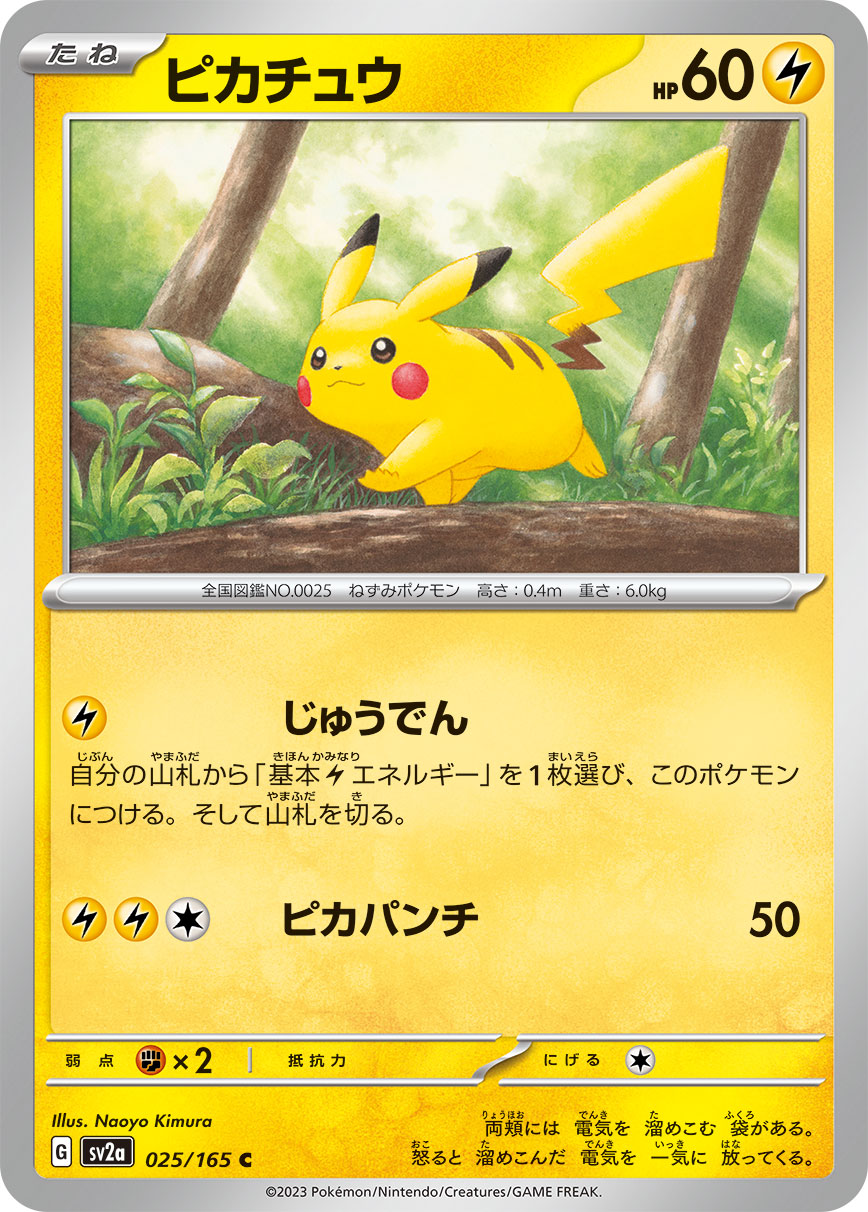
Japanese vs English Pokémon cards: the differences that matter
Japanese and English Pokémon cards share the same artwork, but they are printed, packaged and released differently. Here is what changes for a collector.
Japan gets the sets first
Every modern set is released in Japan before its English counterpart, so new cards appear on the Japanese market first. Some Japanese sets are later merged or reshuffled into a single English set.
Smaller packs, different set structure
Modern Japanese packs usually contain 5 cards (high-class sets such as Pokémon Card 151 use larger packs), and Japanese sets are smaller. Japan also releases "high-class" sets — compilation sets with an unusually high share of illustrated rares, such as 151 (SV2a), Terastal Festival ex (SV8a) and VSTAR Universe (S12a).
Card stock and finish
Japanese cards are widely regarded by collectors as having cleaner print quality and more consistent centering, which is one reason Japanese cards are popular for grading. The surface texture of illustrated rares can also differ.
Rarity names
Japanese cards print the rarity code next to the card number: AR, SAR, SR, UR and so on. Our rarity guide explains each one.
Are Japanese cards worth less?
Not necessarily. Value depends on the card, its condition and demand. Some Japanese-exclusive cards and high-class set rares trade above their English counterparts; for others the English version is pricier. Compare the specific card.
Guides
- Japanese Pokémon Card 151 (SV2a): what to know before you buy
- Japanese Pokémon card rarities explained (AR, SAR, SR, UR, CHR and more)
- How to read Japanese set codes and card numbers
- Buying Japanese booster boxes: contents, shrink wrap and shipping
- Japanese One Piece Card Game cards: a collector's guide
- Raw vs PSA graded Japanese cards: which should you buy?
- How to buy Pokémon and One Piece cards from Japan
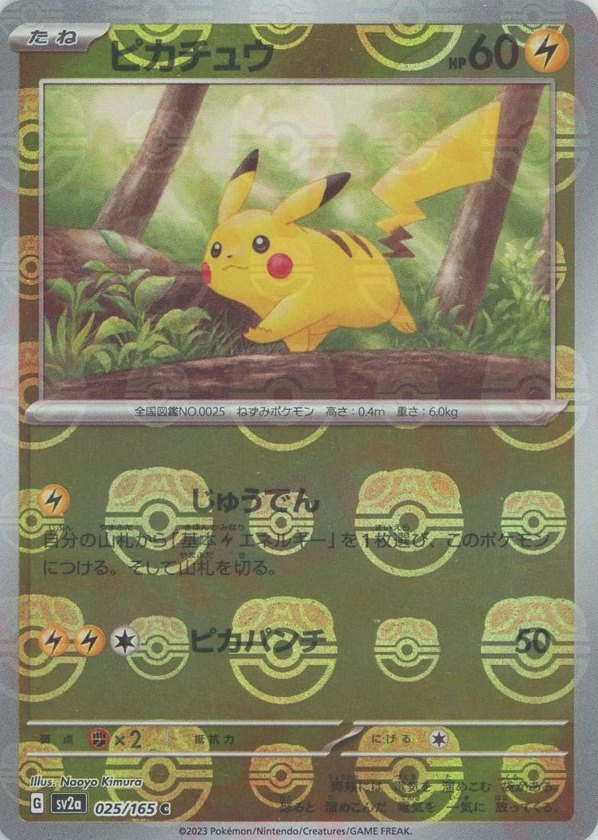
2023 Pokémon Japanese set SV2a #025 Pikachu C Master Ball Mirror (Raw · Near Mint)
Raw · Near Mint· ships in 7–12 days
$576
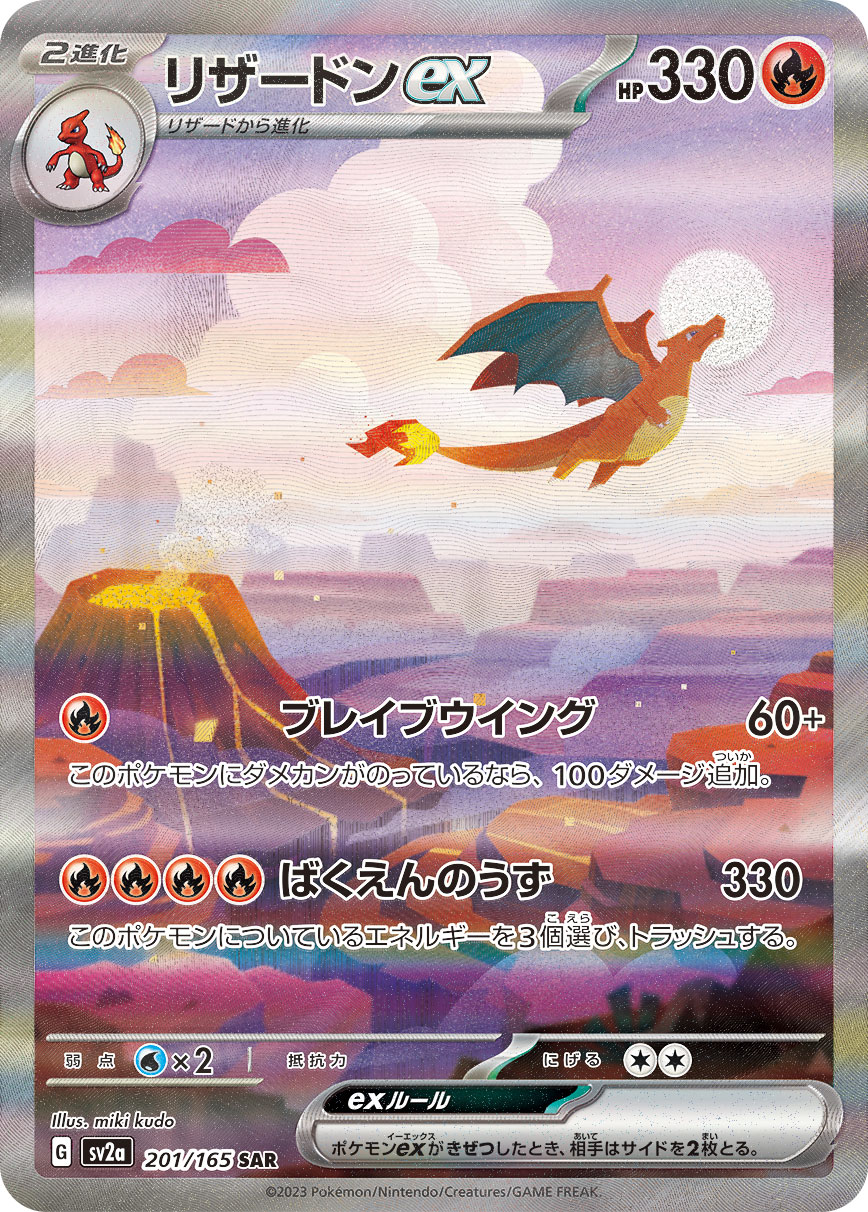
2023 Pokémon Card 151 SV2a #201 Charizard ex SAR (Raw · Near Mint)
Raw · Near Mint· ships in 7–12 days
$524
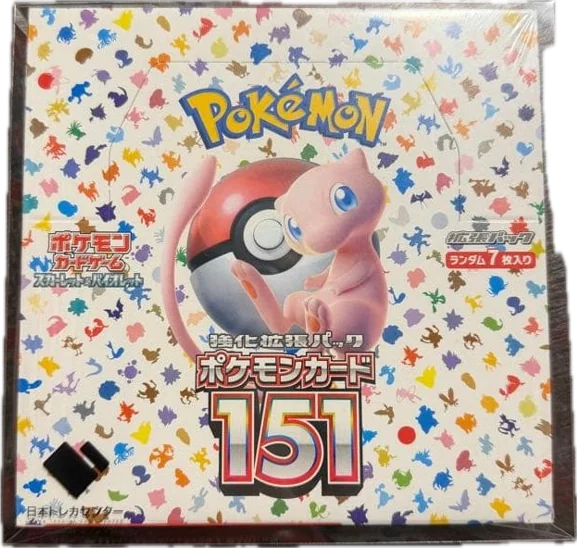
2023 Pokémon Card 151 Booster Box (SV2a, Japanese) — Factory sealed
Sealed box· ships in 7–12 days
$359
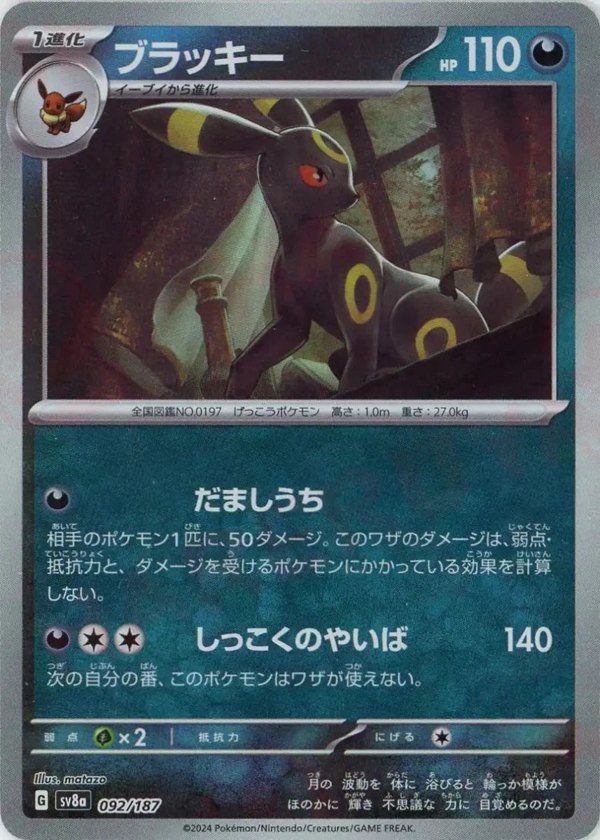
2024 Pokémon Japanese set SV8a #092 Umbreon: Master Ball Mirror - Master Ball Mirror (Raw · Near Mint)
Raw · Near Mint· ships in 7–12 days
$149
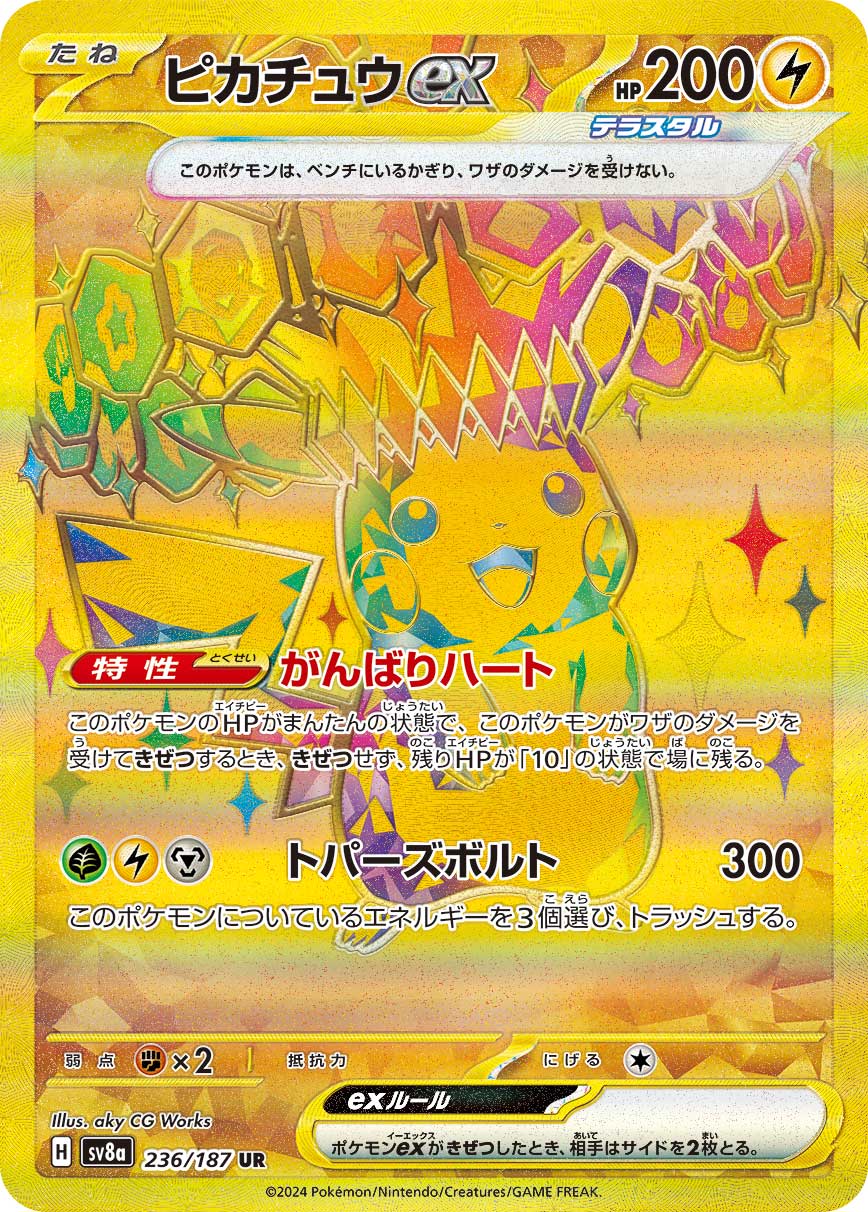
2024 Pokémon Terastal Festival ex SV8a #236 Pikachu ex UR (Raw · Near Mint)
Raw · Near Mint· ships in 7–12 days
$70
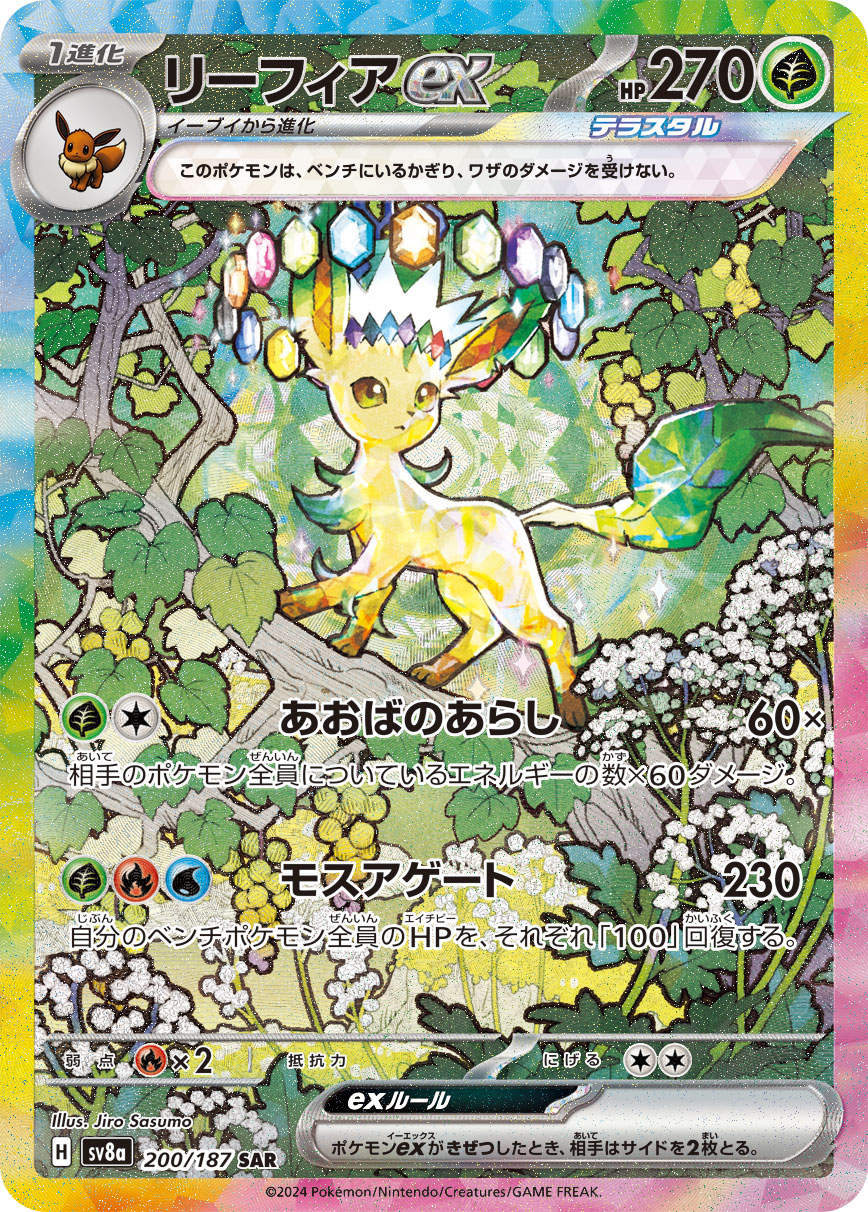
2024 Pokémon Terastal Festival ex SV8a #200 Leafeon ex SAR (Raw · Near Mint)
Raw · Near Mint· ships in 7–12 days
$66
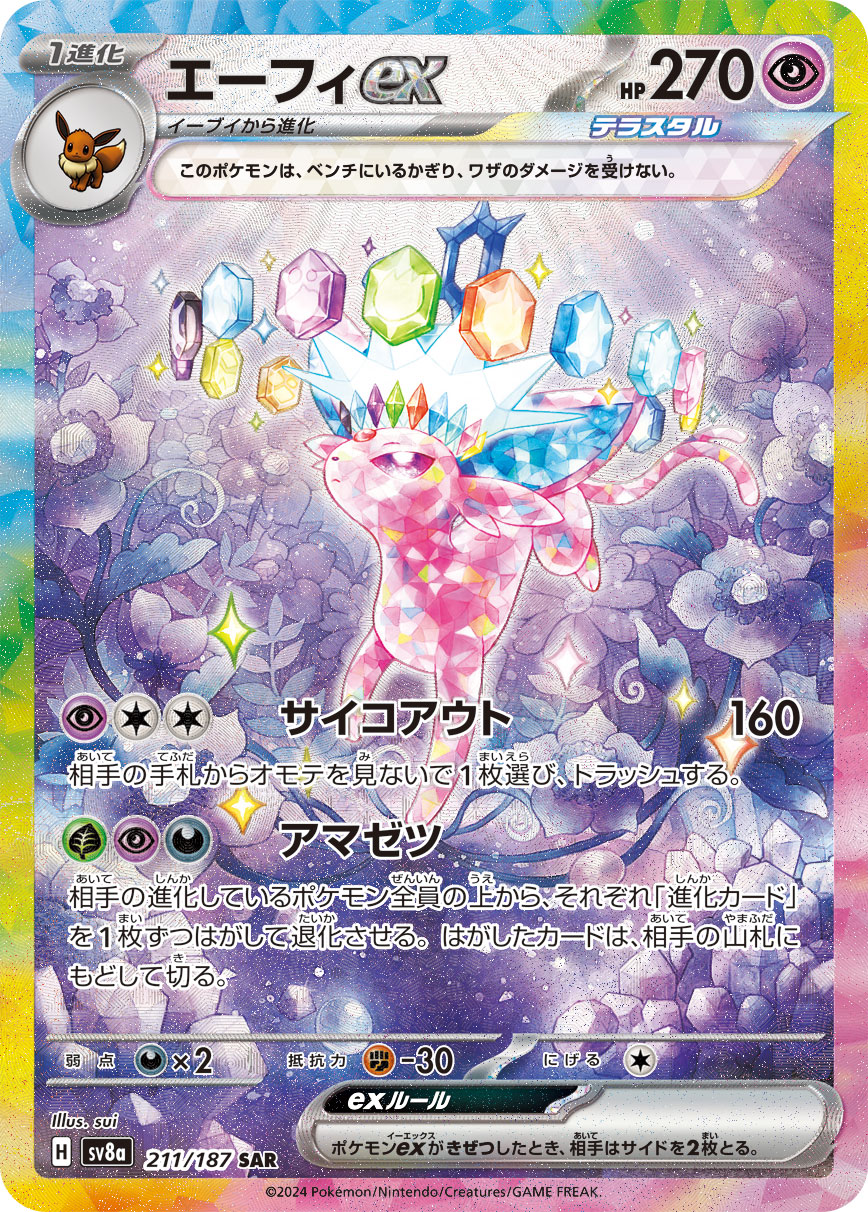
2024 Pokémon Terastal Festival ex SV8a #211 Espeon ex SAR (Raw · Near Mint)
Raw · Near Mint· ships in 7–12 days
$62